
Salon Interior Design Ideas for a Unique Client Experience


Design That Makes Clients Book Again (Not Just Look Good in Photos)
Most salon interiors are built for aesthetics. The best ones are built for client comfort, staff efficiency, and repeat bookings. If your space feels smooth, clean, and premium, clients stay longer, tip better, and come back faster. This guide focuses on design ideas that improve the real experience—not just the Instagram shot.
Start With the Client Journey (Entrance → Service → Checkout)
A good interior design is a guided path. Clients should instantly understand where to go, where to sit, and what happens next—without asking.
First 10 Seconds: What Clients Notice Immediately
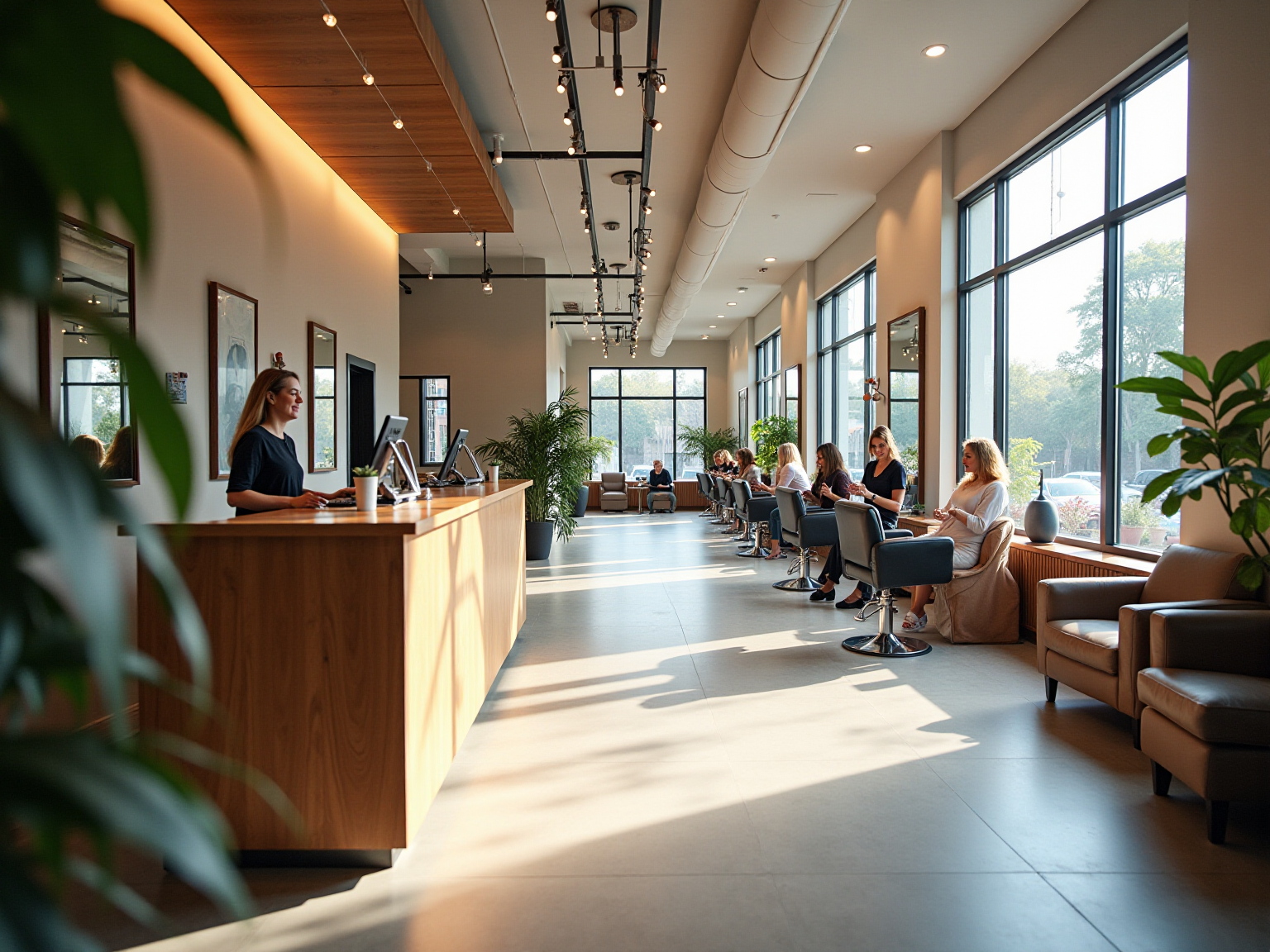
Clients notice three things right away: cleanliness, lighting, and flow. If the entrance feels cluttered, dim, or confusing, it creates doubt before the service even starts. Keep the entry visually calm: one clear reception point (or welcome sign), clean floors, and a simple “this is where you are” layout.
Reduce Confusion: Clear Flow and Visual Cues
Use small cues to guide movement: a visible reception counter, a defined waiting zone, and an obvious path to service stations. If clients bump into staff or walk through storage areas, the space feels unprofessional—no matter how expensive it looks.
Layout That Works: Stations, Storage, and Movement
A unique client experience often comes from one thing: the space feels intentional. That happens when the layout supports movement and reduces mess.
Spacing Rules That Prevent “Crowded”
Give each station breathing room. Clients don’t want to feel like they’re in someone else’s conversation. Even in small salons, spacing can be improved by turning stations slightly, using visual separators, or reducing unnecessary furniture. If your salon is tight, choose fewer, better stations over squeezing in “one more chair.”
Storage That Keeps the Space “Premium”
Clutter kills luxury. The fastest way to upgrade a salon is to hide tools and products. Use closed storage under stations, slim wall cabinets, or rolling carts that can disappear. The goal is simple: clients should see the professional, not the chaos.
Where to Put Retail (So It Sells Without Feeling Pushy)
Retail sells best when it’s part of the flow. Place a small curated shelf near checkout or the exit—not scattered everywhere. Fewer products with clear labels look premium and increase trust. If retail blocks movement or looks like a discount aisle, it reduces perceived value.
Lighting That Makes Skin Look Better (And Photos Look Clean)
Lighting is one of the highest ROI design upgrades because it affects mood, confidence, and the final reveal.
Natural Light vs. Controlled Light
Natural light is great, but it’s inconsistent. The best salons combine natural light with controlled, neutral lighting. Aim for a clean, bright feel—not yellow, not blue.
Mirror Lighting: The One Upgrade That Changes Everything
If you change one thing, upgrade mirror lighting. Add vertical lights on both sides of the mirror or a professional ring/soft light setup. Clients judge the result in the mirror. If the mirror lighting is harsh or dark, even great work looks worse.
Photo Corner Setup (For Content + Referrals)
A simple photo corner increases organic marketing. You don’t need a full studio—just a clean background, consistent lighting, and a spot where clients can stand without clutter behind them. This creates better before/after photos and makes clients more likely to share.
Waiting Area Ideas That Don’t Waste Square Footage
Waiting zones should feel calm and useful, not like dead space.
Small Salon Waiting Area: 3 Layout Options
Option 1: Two chairs + small side table + wall hooks
Option 2: Bench seating + narrow shelf + charging spot
Option 3: Standing “quick wait” zone with one chair and a clear pathway
Keep it minimal. If the waiting area becomes storage, it becomes stress.
Comfort Signals: Water, Hooks, Charging, Clean Surfaces
Clients remember comfort details: a water option, a place to hang a bag, a phone charging point, and surfaces that look easy to clean. These signals increase trust and make the space feel professional.
Materials and Finishes: What Looks Expensive but Isn’t
You don’t need luxury materials—you need consistency and cleanliness.
Easy-to-Clean Wins (Health + Speed)
Choose materials that clean fast: wipeable surfaces, simple flooring, closed storage, and washable seating. If your interior is hard to maintain, it will always look “tired” within weeks.
Texture > Decor (How to Make It Feel “Designed”)
Instead of adding more decor, add texture: one wood tone, one metal finish, one fabric texture. Too many styles looks random. A limited palette looks intentional.
Sound, Smell, and Temperature: The “Invisible” Design
The best client experience is often invisible. If the salon feels too loud, too cold, or smells like chemicals, clients won’t relax.
Acoustic Fixes for Loud Salons
Add soft materials that absorb sound: rugs (where appropriate), acoustic panels, curtains, or fabric seating. Even one or two acoustic upgrades can reduce the “echo” that makes salons feel chaotic.
Scent: What Not to Do
Avoid strong perfumes and heavy diffusers. Clients associate strong scent with trying to mask something. Keep it clean and subtle.
Temperature Control Clients Remember
If clients are cold during services, they won’t fully relax. Small upgrades like a discreet fan, consistent AC flow, or a blanket option can change the entire perception of quality.
Branding Without Overdoing It
Your salon should look like a brand, not a billboard.
One “Hero” Brand Moment
Choose one place where branding is strong: a welcome sign, a feature wall, or the photo corner. The rest should support it with consistent colors and materials.
Consistency Across Photos, Menu, and Space
If your interior photos look one way but the real space feels different, trust drops. Keep your online portfolio aligned with the real environment.
Budget Upgrades That Create a Premium Feel Fast
Under $500
Upgrade lighting near mirrors
Replace cluttered signage with one clean sign
Add wall hooks, charging, and a cleaner waiting setup
Standardize containers and tool storage so surfaces look clean
$500–$2,000
New mirror lighting setup for each station
Better seating in waiting area
Closed storage solutions
Clean background photo corner
$2,000+ (Only If ROI Is Clear)
Flooring upgrade in high-traffic areas
Reception redesign for better flow
Built-in station storage
Acoustic upgrades across the salon
Suite vs. Full Salon: What Changes (And What Doesn’t)
Suites rely more on personal comfort, privacy, and a premium “one-on-one” feel. Full salons must prioritize flow, noise control, and operational efficiency. The fundamentals are the same: clear layout, clean lighting, hidden clutter, and comfort details.
Final Checklist Before You Spend Money
Does the space feel clean in the first 10 seconds?
Is booking/check-in flow obvious without explaining?
Do stations look uncluttered during service?
Does mirror lighting make the result look better?
Is there a simple photo corner for after shots?
Is the waiting area comfortable and minimal?
Are sound, smell, and temperature controlled?
Does the salon feel consistent with your brand online?

Related Articles


Download our mobile apps
.webp)