
Your Ultimate Opening a Salon Suite Checklist: Step-by-Step Tasks to Complete


Why Salon Suites Are a Popular Way to Start an Independent Beauty Business
Opening a salon suite is one of the fastest ways to start an independent beauty business — without the overhead, risk, or complexity of running a full salon.
This checklist is designed specifically for professionals who have already chosen the salon suite model and want to launch correctly, legally, and profitably.
Many beauty pros start solo, move into a salon suite, and only later consider opening a full salon. While the core business principles stay the same, salon suites come with their own rules, costs, and limitations.
This guide focuses only on what’s unique to salon suites — so you don’t waste time or money following advice meant for full-scale salons.
How Salon Suites Work (And Why This Model Is Different)
A salon suite is a private, rented space inside a shared beauty facility. You operate independently, but within rules set by the suite operator.
Key differences from a traditional salon:
- You don’t manage staff
- You don’t control the building brand
- You pay fixed rent instead of variable overhead
- You keep 100% of your service revenue
This model offers freedom — but only if you understand the boundaries before signing anything.
Step 1: Confirm the Salon Suite Model Fits Your Goals
Salon suites work best if:
- You already have clients or a clear niche
- You prefer working solo
- You want predictable monthly costs
- You don’t plan to hire staff short-term
Salon suites are not ideal if:
- You want to scale a team quickly
- You rely on heavy walk-in traffic
- You need full branding control
Choosing the wrong model is one of the most expensive early mistakes.
Step 2: Choose the Right Salon Suite Location
Location matters differently for salon suites than for storefront salons.
Focus on:
- Easy parking (clients come intentionally)
- Safe, clean surroundings
- Proximity to residential areas
- Visibility inside Google Maps, not street traffic
Avoid choosing a suite based only on:
- Instagram aesthetics
- Low rent without footfall analysis
- Promises of “walk-in traffic”
Your bookings will come from search, referrals, and repeat clients, not passersby.
Step 3: Review the Salon Suite Contract Carefully
Before signing, check:
- Minimum lease term
- Exit conditions and penalties
- Rent increases
- What’s included (utilities, Wi-Fi, cleaning)
- What’s restricted (branding, signage, hours)
Red flags:
- No early termination option
- Mandatory long-term contracts without trial
- Restrictions on pricing or client communication
If something feels unclear — it usually is.
Step 4: Licenses, Insurance, and Legal Setup
Most salon suites still require:
- State cosmetology or professional license
- Business registration (LLC or sole proprietor)
- General liability insurance
- Professional liability insurance
Some states require:
- Separate establishment registration
- Health department approval, even inside a suite
Never assume the suite operator covers this for you.
Step 5: Calculate Real Startup Costs for a Salon Suite
Typical salon suite startup costs:
- First month rent + deposit
- Furniture and equipment
- Initial product inventory
- Licenses and insurance
- Basic branding and setup
Most professionals launch with $5,000–$20,000, depending on setup and city.
Lower startup costs mean faster break-even — but only if pricing is correct.
Step 6: Set Pricing for Solo Profitability
In a salon suite:
- Your time is your inventory
- You can’t offset costs with staff volume
- Underpricing hurts immediately
Your pricing must cover:
- Fixed rent
- Supplies
- Software
- Taxes
- Personal income
Salon suite pricing should be higher than commission-based salons, not lower.
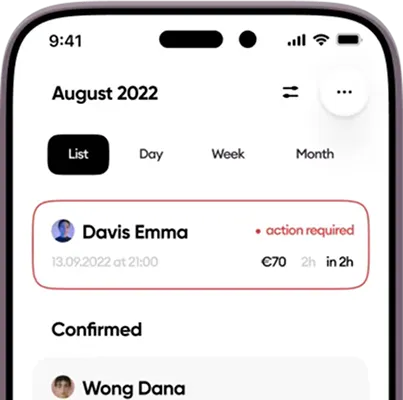
Step 7: Set Up Booking, Payments, and Client Management
Because you work solo, systems matter more.
You need:
- Online booking
- Automated reminders
- Deposits or cancellation policies
- Clear client communication
Manual scheduling kills time and income in a suite model.
Step 8: Prepare Your Suite for Opening
Before launch:
- Test all equipment
- Organize storage efficiently
- Set hygiene and sanitation routines
- Prepare client intake forms
- Finalize booking flow
A salon suite should feel private, professional, and intentional — not temporary.
Step 9: Launch Without Overcomplicating It
You don’t need a grand opening.
Focus on:
- Notifying existing clients
- Google Business profile
- Local visibility
- Referral incentives
Most successful salon suite businesses grow quietly — and consistently.
How Salon Suites Fit Into Long-Term Growth
Many professionals follow this path:
- Independent pro → Salon suite → Full salon
Others stay in suites long-term for lifestyle balance.
The key is choosing systems and pricing that don’t limit your future options.
Final Thoughts
Salon suites offer one of the lowest-risk paths to independent beauty business ownership — but only when approached intentionally.
This checklist exists to help you avoid beginner mistakes, understand the limits of the model, and launch with clarity.
If you’re choosing freedom over scale — this model can work exceptionally well.

Related Articles




Download our mobile apps
.webp)